
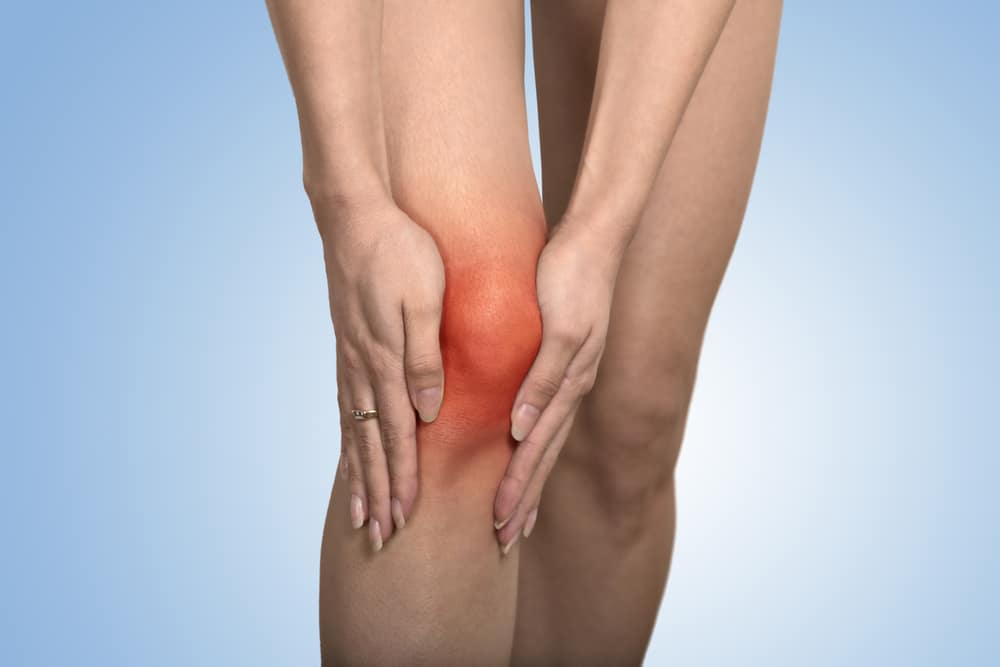
Aching legs can be confusing when you have not worked out, gone on a long walk, or done anything that would normally leave your muscles sore. The discomfort may feel dull, heavy, crampy, or restless. When leg aches keep coming back without a clear activity-related reason, circulation is worth considering.
Our team at L.A. Vein Center in Sherman Oaks evaluates unexplained leg discomfort, lower-leg pressure, swelling, and other symptoms that sometimes come from chronic venous insufficiency. Dr. Larisse Lee is a board-certified vascular and general surgeon with vascular surgery fellowship training at New York Presbyterian Hospital, Weill Cornell Medical Center, and Columbia Presbyterian Medical Center. For some patients, radiofrequency ablation is one treatment option when a faulty vein is causing symptoms.
Why Vein-Related Aching Happens
Vein-related aching often comes from pressure inside the lower-leg veins. When blood does not move upward efficiently, it can collect in the legs and create a dull, tired, or throbbing discomfort. You may not always see large varicose veins. Some people feel symptoms before the affected veins become obvious on the skin.
Unlike muscle soreness from exercise, vein-related aching may be more noticeable:
- After sitting for a long time
- After standing in one place
- Near the end of the day
- Alongside ankle swelling or visible veins
- When symptoms improve with walking or leg elevation
Other Clues That Point to a Vein Concern
Aching is only one possible sign of venous disease. You may also notice restless legs, ankle swelling, itching, skin discoloration, or veins that look twisted, enlarged, or raised.
Because leg pain can have many causes, a vein evaluation can help clarify whether poor circulation is contributing to the discomfort.
How Testing Can Guide Care
If your symptoms suggest a vein problem, our team may recommend vein ultrasound to look at blood flow and vein structure. Ultrasound can help evaluate venous insufficiency and check for other vascular concerns.
Your treatment plan depends on what we find during the exam and ultrasound. Some cases may respond to compression, walking, and leg elevation. Others benefit from a minimally invasive procedure that closes the problem vein and redirects blood through healthier pathways.
Find Out What Is Causing Your Leg Aches
Ongoing leg aches are easier to manage once you know whether circulation is involved. In Sherman Oaks, CA, Dr. Larisse Lee and our team at L.A. Vein Center can evaluate your symptoms and review your options. Reach us at 818-325-0400 or contact us online.